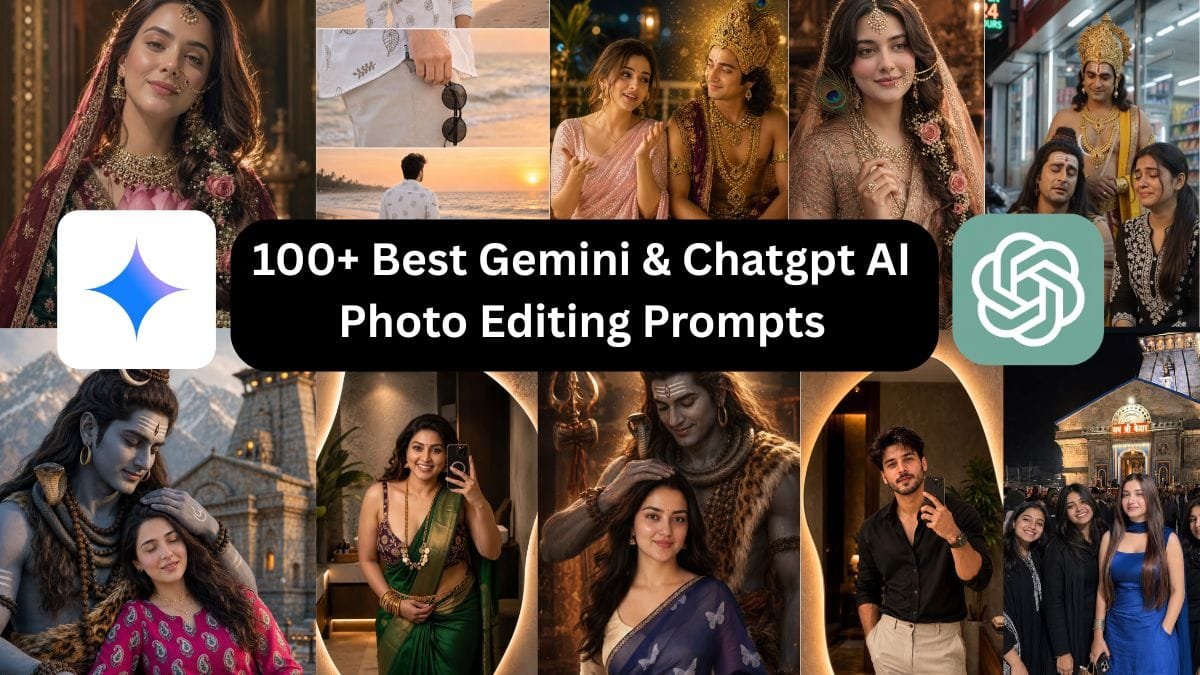
Trends on Instagram change almost every week. One day everyone is posting cinematic edits, the next day anime transformations become viral, and suddenly AI-generated reels start getting millions of views. But among all these trends, one thing is becoming very clear: AI photo editing and AI video creation are not just temporary trends anymore. They are becoming the future of content creation.
Nowadays, creators do not need expensive cameras, high-end PCs, or years of editing experience to create viral content. With the help of AI tools, almost anyone can create eye-catching photos and cinematic videos in just a few minutes.
That is exactly why we and our team decided to explain everything in a simple way so creators can understand how AI editing actually works and how they can use it to create viral Instagram content.
Whether you are a beginner creator, reel editor, YouTuber, or someone who simply wants to grow on social media, AI tools can completely change the way you create content online.
Table of Contents
What Is an AI Photo Editing Prompt?
An AI photo editing prompt is basically a text instruction that tells artificial intelligence what kind of image you want to create or edit.
Instead of manually editing every small detail in Photoshop or Lightroom, you simply describe your idea in words, and the AI creates it for you.
AI Prompts
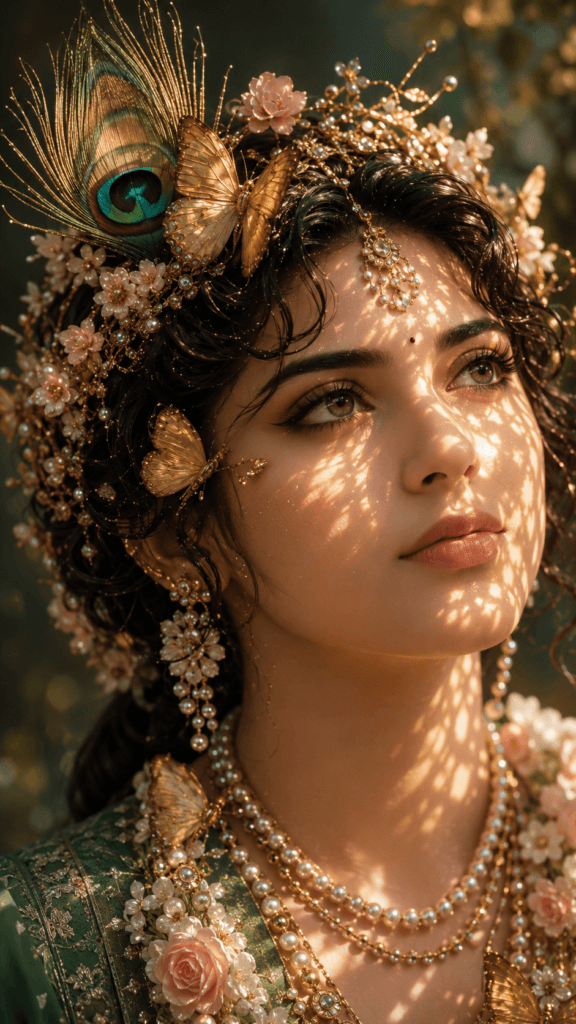
Radha krishan prompt
Why AI Editing Is Becoming So Popular
The main reason AI editing is exploding right now is that people love visually attractive content.
Instagram especially pushes content that looks:
- Unique
- Cinematic
- High-quality
- Creative
- Different from normal edits
And AI helps creators achieve all of that very quickly.
Earlier, creating professional edits used to take hours. Now, with AI tools, creators can generate amazing visuals in minutes.
That is why we are seeing so many viral AI reels, AI portraits, cinematic edits, and fantasy-style videos all over social media.
How AI Photo Editing Actually Works
A lot of people use AI tools daily but still do not understand what happens behind the scenes.
AI editing mainly works using advanced technologies like:
- Machine Learning
- Deep Learning
- Computer Vision
- Neural Networks
These systems help AI understand images almost like humans do.
Step 1: AI Scans the Photo
When you upload an image, the AI first analyzes everything inside it:
- Face
- Lighting
- Background
- Objects
- Colors
- Camera angles
- Skin texture
This helps the AI understand what kind of changes can be made.
Step 2: The Prompt Is Processed
After scanning the image, the AI reads your prompt carefully.
Words like:
- “Cinematic”
- “Moody lighting”
- “Cyberpunk”
- “Ultra realistic”
- “Golden hour”
help the AI understand the exact visual style you want.
Step 3: AI Applies the Editing
Now the AI starts generating the final output.
It can automatically:
- Enhance faces
- Improve quality
- Add lighting effects
- Change backgrounds
- Create realistic shadows
- Add cinematic colors
- Generate creative effects
And honestly, sometimes the results look better than manual editing.
How We Can Create AI Videos Using Prompts
AI videos are becoming even bigger than AI photos.
Right now, creators are generating complete cinematic reels just by writing prompts.
That sounds crazy, but it is actually happening.
Instead of spending hours editing transitions and effects manually, AI tools can now create entire video scenes automatically.
What Is an AI Video Prompt?
An AI video prompt is simply a text description of the video you want.
You describe:
- The scene
- Camera movement
- Environment
- Character action
- Lighting
- Mood
- Visual style
How to Create AI Videos for Instagram
1. Choose an AI Video Tool
There are many AI tools available today that can generate videos from prompts.
Some popular tools are:
- Runway ML
- Kling AI
- Pika Labs
- Kaiber AI
- PixVerse AI
- Luma AI
These platforms are becoming extremely popular among Instagram creators.
2. Write Better Prompts
This is the most important part.
The more details you provide, the better your video becomes.
Instead of writing:
“A boy walking.”
You should write:
“A cinematic slow-motion shot of a boy walking in heavy rain with neon lights reflecting on the street, ultra realistic, dramatic mood.”
Small details make a huge difference.
3. Add Motion and Camera Effects
Most AI tools also allow you to describe camera movements like:
- Zoom in
- Slow motion
- Drone shot
- Cinematic pan
- Dynamic lighting
These effects make AI videos feel much more realistic and engaging.
4. Generate and Export
Once your prompt is ready, the AI starts processing the video.
Within a few minutes, you get a complete cinematic clip ready for Instagram reels or YouTube Shorts.
Many creators are already getting viral reach using fully AI-generated conten.
Final Thoughts
AI photo editing and AI video generation are changing content creation completely.
What once required expensive software, professional editing skills, and powerful hardware can now be done using simple prompts and AI tools.
The best part is that creators now have unlimited creative freedom.
Whether you want to create cinematic Instagram reels, viral AI photos, anime transformations, or futuristic edits, AI makes the process faster, easier, and more creative than ever before.
And looking at how quickly this technology is improving, one thing is clear — AI-generated content is going to dominate social media in the future.